

Introduction
Branding for small businesses is a lot more than designing a logo or picking some nice colors. It’s what a business does to showcase its value, how it positions itself and how it consistently positions itself. A good brand helps customers know what the business is about, what makes it different, and why they should trust it.
Why Branding for Small Businesses Is Important
Build Trust and Credibility
Consistent branding for small businesses helps customers recognize a company across websites, social media, packaging, and advertising. Repeating the same colors, typography, tone, and visual style over and over makes it easier to remember the business.
A distinct small business brand identity also makes a company appear professional and reliable, particularly in competition with established brands.
Key Benefits
- Enhances brand awareness.
- Builds customer trust .
- Builds credibility as a pro.
- Helps retain customers.
- Helps the business to stand out.
Find Your Place in the Market
The identity of brand convey who the business serves, what it provides, and what makes it unique. A clear position provides customers with a simple reason to choose one business over another.
Key Elements of a Powerful Brand
Start With Brand Strategy
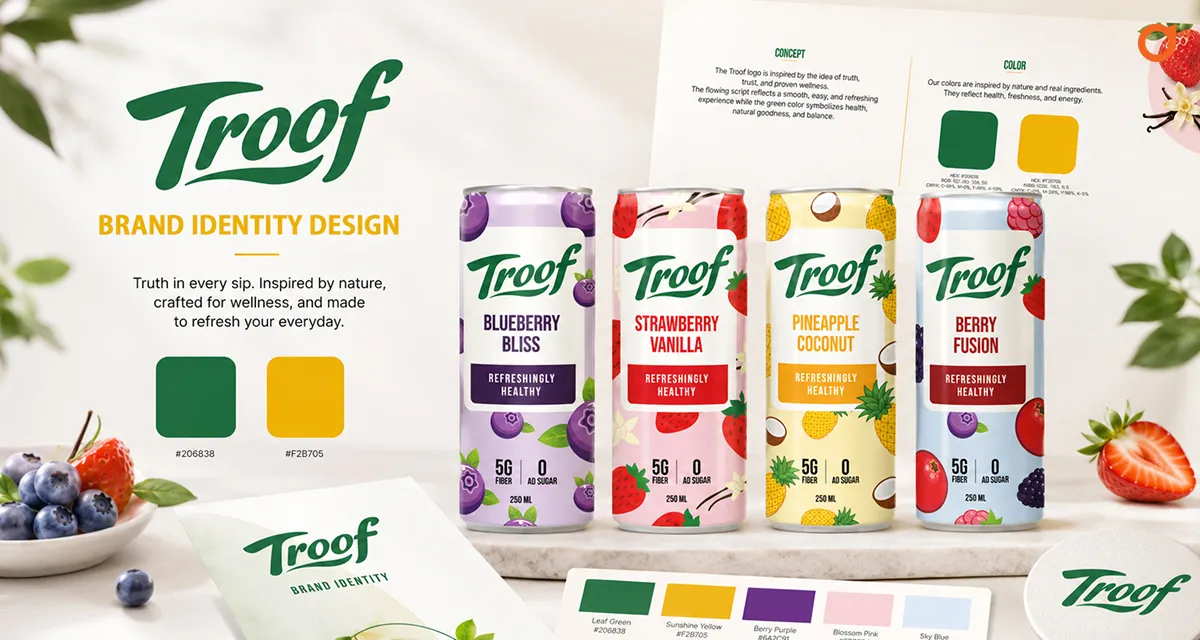
Good branding for small businesses starts with strategy. Before you start designing, define the purpose, target audience, values, personality, and positioning. These decisions shape the following visual identity and communication. For businesses that want to create a consistent and professional visual presence, investing in a strong Brand Identity can help bring every brand element together.
Questions to Define Your Brand
- What is the business for?
- Who is your ideal customer?
- What customer problem does it address?
- What’s special about it?
- How should the customers respond to it?
Build a Strong Visual Identity
A professional small business brand identity includes the logo, color palette, typography, photography style, icons and graphic elements. These should be a single visual system.
If the identity of brand the business even before they read the name, the identity of the brand gets stronger. Familiarity over time is built through consistency across touchpoints.
Create Precise Brand Messaging
Brand messaging includes the tagline, value proposition, key messages, website copy and voice. The business should be explained in a clear manner and use language that suits the brand personality.
How to Build a Strong Small Business Brand
Knowing Your Customers and Competition
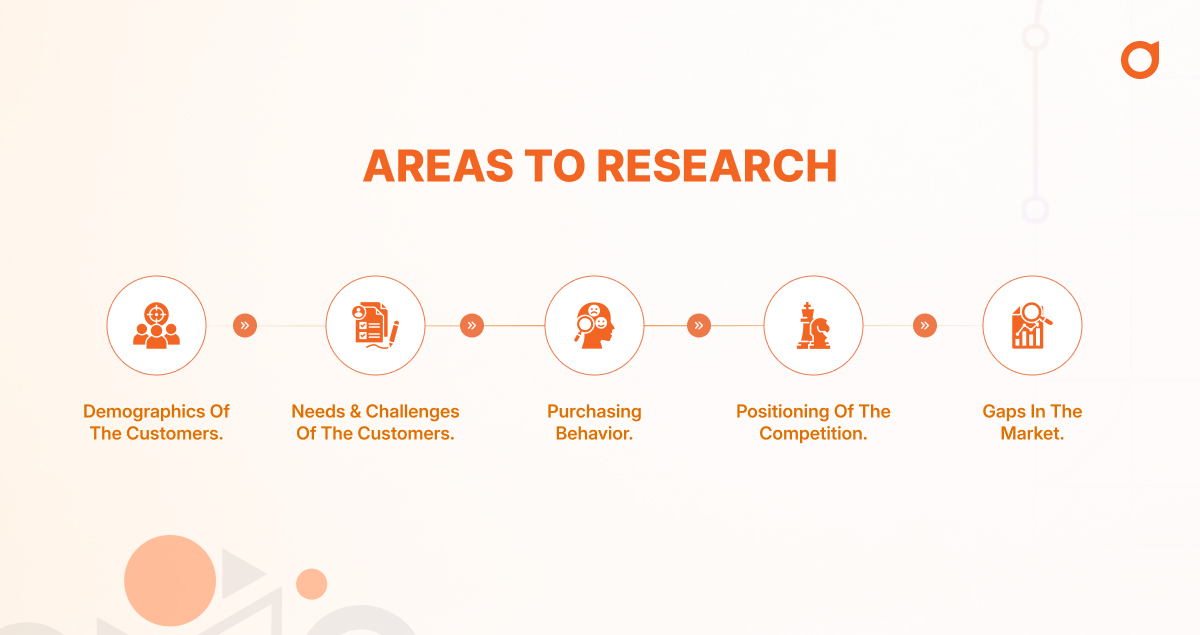
The first step to creating strong branding for small businesses is through research. You need to know the needs, expectations, purchasing behavior, and challenges of your customers as well as what your competitors do to communicate or differentiate themselves. Choosing the right business name is also an important part of brand building, and working with a professional Brand Naming Agency in Ahmedabad can help develop a name that is memorable, relevant, and distinctive.
Maintain Branding Consistency
Once the branding system is set up, apply it consistently throughout the website, social media, packaging, promotional material, advertising, and physical locations. The design may differ but must always remain linked to the same brand.
Marketing Strategies for a Small Business
Choose the Right Channels
The best marketing strategies for a small business will be those that have the correct channels to reach the audience. It is important to note that the small business does not need every channel but rather the right ones.
Marketing Channel | Main Purpose | Branding Role |
Social Media | Build awareness | Maintain visual consistency |
Content Marketing | Educate customers | Show expertise |
Local SEO | Improve discovery | Build visibility and trust |
Email Marketing | Retain customers | Maintain communication |
Connect Branding With Marketing
Marketing can attract attention, while branding helps people remember the business. Strong marketing strategies for a small business should use the same positioning, visual identity, and tone across campaigns. This creates a connected customer experience.
Practical Small Business Branding Ideas
Create Memorable Touchpoints
Effective small business branding ideas do not have to be expensive. Minor adjustments to the way a business presents itself and communicates will create uniqueness and professionalism.
Five Branding Strategies for Small Businesses
- Tell the story of the founding of the company.
- Create branded templates for social media.
- Take better photos of products or services offered.
- Make sure that packaging is branded.
- Get creative with customer testimonials.
More small business branding ideas may include creating unique patterns or logos, illustrations, or even developing a distinct style of photography.
Common Branding Mistakes to Avoid
Avoid Inconsistency
A big mistake when developing a branding for small businesses is inconsistency in terms of font, colour, messages, or style of visuals. The lack of consistency affects your recognizability and can portray your business in a negative light.
Businesses should not copy other companies or put too much focus on their logos alone. The brand strategy involves a combination of many elements. Businesses can also learn more about Creating Distinctive Brands to understand how stronger positioning and differentiation can improve visibility in a competitive market.
How to Measure Branding Success
Track Brand and Business Performance
Branding for small businesses can be evaluated using the following parameters: awareness, engagement, queries, repeat sales, and customer response. Businesses should analyze these performance indicators to check whether their brands are getting popular and credible.
Signs of good performance are direct visits to the website, branded search traffic, social media interaction, referrals from clients, and conversion rates.
Conclusion
Brand development ensures that customers experience consistency and reliability.
Through a streamlined brand strategy, proper visual branding, and messaging, a company becomes recognizable and memorable.
Through effective branding and marketing, small businesses are capable of developing strong customer relations and achieving growth.
Frequently Asked Questions
Branding helps a business build recognition, trust, credibility, and a stronger position against competitors.
It should include clear positioning, logo, colours, typography, imagery, messaging, tone of voice, and basic brand guidelines.
Yes. Start with strategy and essential brand assets, stay consistent across important touchpoints, and expand gradually as the business grows.

Mahendra Bhatiya
With 15+ years of brand-building experience, Mahendra Bhatiya helps food and FMCG businesses transform good products into trusted, memorable, and market-ready brands. His focus is on building brands that inspire stronger customer confidence, create a better market presence, and deliver long-term business value.