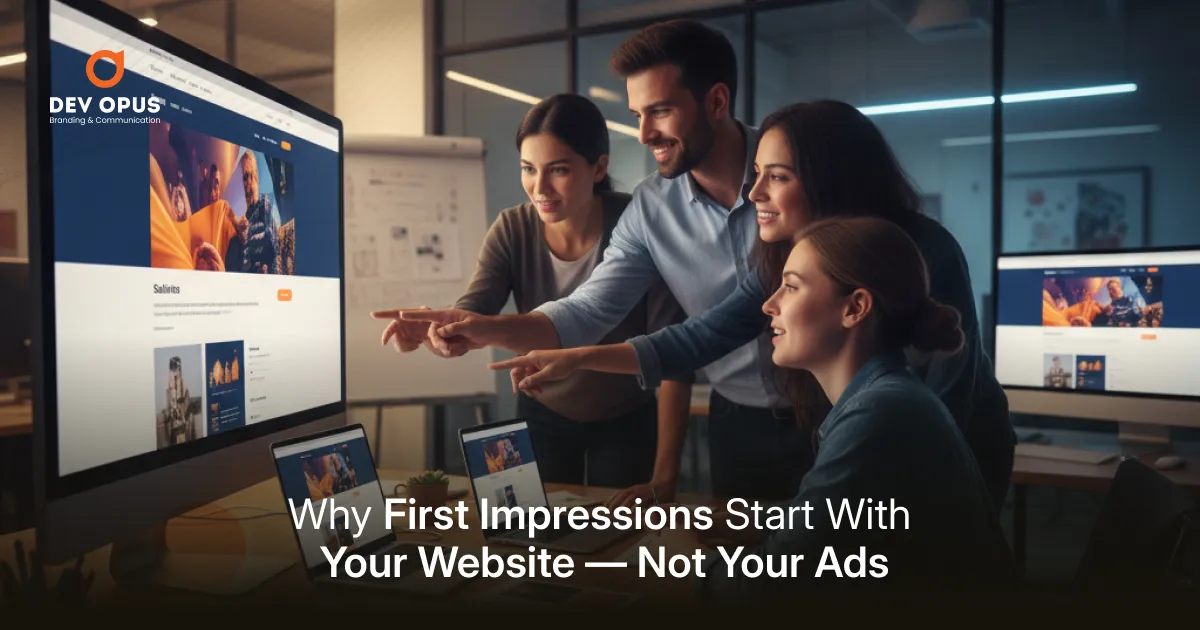

Your website is no longer just a digital visiting card. In 2026, it works like your most active sales executive, available all the time and silently influencing visitors to trust your brand. Whether someone lands on your website through Google or social media, the first few seconds decide whether they stay or leave.
Today’s users want clarity, speed, and comfort. They do not want to struggle to understand what a brand offers. That is why website design trends in 2026 focus more on user experience, emotions, and conversion psychology rather than only visuals.
Let us explore the top website design trends that will help brands get better engagement and higher conversions in 2026.
Table of Contents
- Why website design trends matter in 2026
- Human-first layouts over flashy designs
- AI-powered personalisation that feels natural
- Conversion-focused storytelling design
- Micro interactions that guide user behaviour
- Mobile-first experience beyond responsiveness
- Trust signals are built directly into the design
- Performance and speed as design elements
- Accessibility and inclusive design
- Final thoughts
Why website design trends matter in 2026
People today decide very quickly whether a website feels reliable or not. If your website looks outdated or confusing, visitors leave without reading further. That is why design trends matter. They help brands stay relevant and aligned with user expectations.
Many businesses now work with a website design company Ahmedabad to ensure their website is not just visually attractive but also structured for real business results. A modern website guides users smoothly from awareness to action.
Human-first layouts over flashy designs
In 2026, simple and human-friendly layouts perform better than overly animated or cluttered designs. Clean spacing, readable fonts, and clear sections help visitors understand content easily.
Designers now focus on comfort while browsing. Content is broken into small readable sections, headings explain what comes next, and visuals support the message instead of distracting users.
For example, a service website that clearly explains problems first and then presents solutions usually converts better than one filled with heavy animations.
AI-powered personalisation that feels natural
Artificial intelligence is becoming a quiet helper in website design. Instead of showing aggressive popups, modern websites personalise content subtly.
Some common examples include:
- Showing relevant services based on pages visited
- Adjusting call-to-action text based on user behaviour
- Displaying content according to user location or interest
A reliable web design company ahmedabad uses AI tools carefully so personalisation feels helpful, not uncomfortable. When done right, it improves engagement and time spent on the website.
Conversion-focused storytelling design
In 2026, websites are no longer just information pages. They tell stories.
A good website follows a clear flow:
- What problem does the visitor face
- Why that problem matters
- How your solution helps
- Why your brand can be trusted
- What action to take next
This storytelling structure keeps users emotionally connected. Real examples, short case stories, or relatable situations help visitors see themselves in the story.
For instance, showing how a business improved leads or enquiries after improving its website design builds instant credibility.
Micro interactions that guide user behaviour
Micro interactions are small visual responses that make a website feel alive. These include hover effects, button animations, or subtle feedback after clicking.
In 2026, micro interactions are more meaningful and less decorative. They guide users gently without distraction.
Examples include:
- Buttons changing colour when hovered
- Smooth scroll indicators
- Small confirmation animations after form submission
These tiny details improve user confidence and make navigation easier.
Mobile-first experience beyond responsiveness
Mobile-first design now goes beyond just fitting the screen. Designers think about how users actually hold and use their phones.
Important elements are placed where thumbs can easily. Text is easy to read without zooming. Images load faster even on slower networks.
Since most users discover brands on mobile through search or social media, a strong mobile experience directly impacts conversions and enquiries.
Trust signals are built directly into the design
Trust plays a major role in decision-making. In 2026, trust is communicated visually rather than through long explanations.
Some common trust-building design elements include:
- Clean and professional layout
- Consistent colours and typography
- Client logos placed naturally
- Simple testimonials written in real language
- Easy-to-find contact details
Even spacing, alignment, and image quality influence how trustworthy a website feels.
Performance and speed as design elements
Speed is no longer just a technical factor. It is part of the design.
Slow websites lose visitors quickly. That is why designers now create layouts that load fast, use optimised images, and avoid unnecessary elements.
A fast website feels smooth, reliable, and professional, which directly improves user experience and conversions.
Accessibility and inclusive design
Good design works for everyone. Accessibility is becoming a core design principle in 2026.
This includes:
- Readable font sizes
- Proper contrast between text and background
- Simple navigation
- Clear language
- Keyboard-friendly layouts
Inclusive design ensures that people of all age groups and abilities can use the website comfortably.
Final thoughts
Website design in 2026 is not about following trends blindly. It is about understanding people, their behaviour, and their expectations. A well-designed website feels simple, helpful, and trustworthy.
When design focuses on clarity, usability, and emotion, conversions happen naturally. Brands that invest in thoughtful design today build a stronger digital presence for tomorrow.
FAQs
They help align your website with how users think and behave, making it easier for them to take action.
A major redesign every 3 to 4 years with small updates in between works well for most businesses.
Yes, because most users browse websites on mobile devices before switching to a desktop.
Yes, users judge credibility within seconds based on layout, clarity, and visual quality.
Yes, these trends focus on simplicity and usability, which benefit businesses of all sizes.