
Scroll. Pause. Like. Save. Share.
That’s the new buying journey.
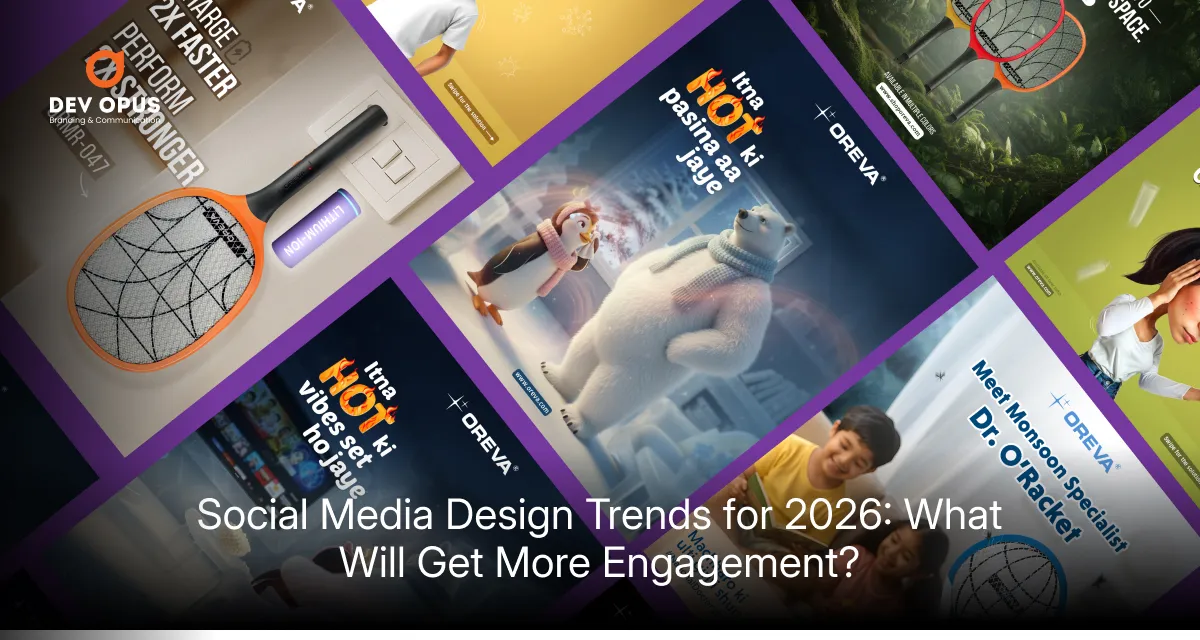
In 2026, social media is no longer about “posting regularly.” It’s about designing experiences that stop thumbs and start conversations. Algorithms have matured, audiences are smarter, and attention spans are brutally honest.
If your social media design still looks like it did in 2023, chances are you’re already invisible.
Let’s break down what social media design trends will actually drive engagement in 2026—and more importantly, how brands can use them to grow visibility, trust, and sales.
Whether you’re a business owner, startup, MSME, marketer, or student, this guide will help you understand what’s changing and why it matters.
Why Social Media Design Matters More Than Ever in 2026
Design has become the first language of brands.
Before someone reads your caption:
- They judge your credibility by your visuals
- They decide relevance in 2 seconds
- They form brand trust subconsciously
In 2026, platforms like Instagram, LinkedIn, YouTube Shorts, and emerging AI-driven feeds prioritize retention and interaction, not just reach. And retention is driven by design clarity, emotional resonance, and originality.
This is where smart brands partner with a best graphic design agency in Ahmedabad—not for “pretty posts,” but for strategic visual storytelling.
Trend 1: Story-First Visuals (Design That Feels Like a Narrative)
In 2026, standalone posts won’t perform as well as connected visual stories.
People don’t want ads.
They want progression.
What’s changing?
- Carousels now behave like mini-stories
- Reels are structured with a clear beginning, middle, and payoff
- Visual consistency across posts builds familiarity and recall
What works:
- Slide 1: Emotional hook
- Slide 2–4: Relatable problem
- Slide 5–7: Insight, value, or transformation
- Final slide: Soft CTA (save, comment, share)
Indian brand example:
boAt Lifestyle
Their social media doesn’t scream “product.” It tells stories of youth, music, hustle, and lifestyle—using bold typography, high-energy visuals, and relatable emotions. That’s why their engagement stays consistently high.
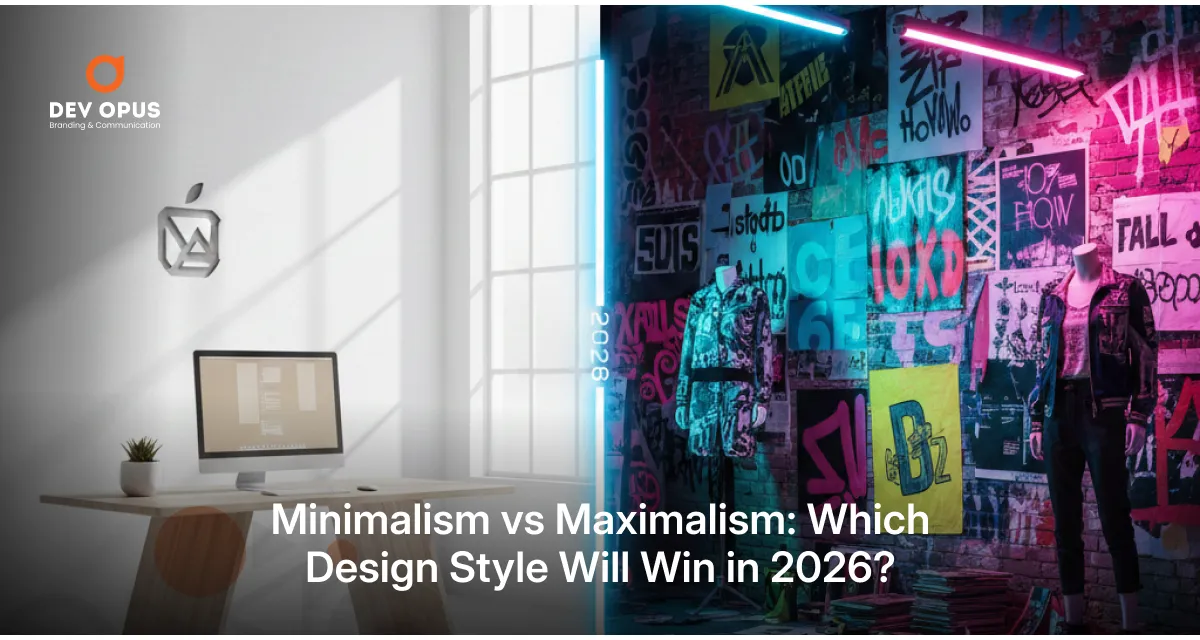
Trend 2: Bold Minimalism (Less Noise, More Impact)
Design in 2026 is becoming simpler—but braver.
Minimal doesn’t mean boring.
It means intentional.
Key elements:
- One dominant visual focus
- Large typography
- High contrast color blocks
- Clear hierarchy
Brands are moving away from cluttered posts filled with icons, badges, and unnecessary elements.
Why?
Because clarity converts better than complexity.
A strong graphic design agency understands how to:
- Reduce visual noise
- Increase message clarity
- Improve scroll-stop power
This is especially important for startups and MSMEs competing against bigger brands.
Trend 3: Motion-Led Static Design (Design That Feels Alive)
Even static posts in 2026 are designed with motion in mind.
Think:
- Directional layouts
- Cropped elements
- Visual flow that guides the eye
Designers are creating posts that feel animated—even when they’re not.
Where this works best:
- LinkedIn thought-leadership posts
- Instagram educational carousels
- Brand announcements
Subtle design movement improves time spent on post, which directly improves algorithmic performance.
Trend 4: Hyper-Human Visuals (Raw > Perfect)
Perfect stock photos are losing relevance.
In 2026, people connect more with:
- Real faces
- Real environments
- Real imperfections
Design shift:
- Authentic photography over polished visuals
- Natural lighting
- Honest expressions
- Human-centric framing
Even e-commerce brands are blending editorial-style visuals with lifestyle storytelling.
Indian e-commerce brand example:
Mamaearth (current evolved phase)
Their newer content focuses more on real families, genuine moments, and relatable storytelling—while still maintaining strong brand identity.
This balance between brand polish and human warmth is key.


Trend 5: AI-Enhanced Creativity (Not AI-Generated Chaos)
AI is everywhere—but in 2026, the winning brands will be the ones that use AI strategically, not blindly.
AI helps with:
- Concept visualization
- Mood boards
- Rapid experimentation
- Content variations
But engagement comes from human insight + design intelligence.
That’s why businesses are shifting from freelancers to full-service graphic design agencies that know how to blend AI efficiency with brand authenticity.
Trend 6: Platform-Specific Design (One Size Never Fits All)
In 2026, reposting the same design across platforms won’t work.
Each platform demands a different visual language:
- Instagram: Emotion + aesthetics
- LinkedIn: Clean, confident, insight-driven visuals
- YouTube Shorts: High-contrast, bold framing
- WhatsApp Channels: Simple, readable, fast
Design must adapt—not just resize.
This is where professional design strategy beats DIY templates every time.
Trend 7: Brand Worlds, Not Just Brand Colors
Earlier, branding meant:
- Logo
- Color palette
- Font
In 2026, branding means creating a visual world.
A consistent brand world includes:
- Illustration style
- Photography tone
- Iconography
- Motion behavior
- Typography rhythm
When users recognize your brand without seeing your logo, you’ve won.
This is what top brands—and the best graphic design agencies in Ahmedabad—are focusing on.
Trend 8: Soft CTAs That Feel Natural
Hard selling is out.
Value-driven engagement is in.
Design now supports CTAs like:
- “Save this for later”
- “Tag someone who needs this”
- “Which one would you choose?”
These CTAs are visually integrated—not loud buttons.
Result?
Higher engagement, better trust, and long-term brand recall.
Why These Trends Matter for Businesses in Ahmedabad & India
Ahmedabad is evolving fast:
- Startups are scaling
- MSMEs are going digital
- Competition is intense
In such a market, social media design is no longer optional—it’s a growth tool.
Partnering with the best graphic design agency in Ahmedabad helps brands:
- Build a recognizable identity
- Improve engagement rates
- Convert followers into customers
Final Thoughts:
In 2026, social media success won’t come from:
- Posting daily
- Chasing trends blindly
- Copying competitors
It will come from:
- Strong design thinking
- Clear brand storytelling
- Consistent visual identity
The brands that invest in strategic social media design today will dominate attention tomorrow.
FAQs: Most Asked Branding Questions
Social media design creates first impressions, builds brand recall, and influences engagement. Consistent, thoughtful design helps audiences recognize and trust your brand instantly.
Most brands should refresh their social media design every 12–18 months to stay relevant, while maintaining core brand elements for consistency.
Absolutely. Strategic design helps small businesses look credible, compete with larger brands, and attract the right audience without massive ad budgets.
Look for an agency that understands branding strategy, not just visuals—one that aligns design with your business goals and audience behavior.