
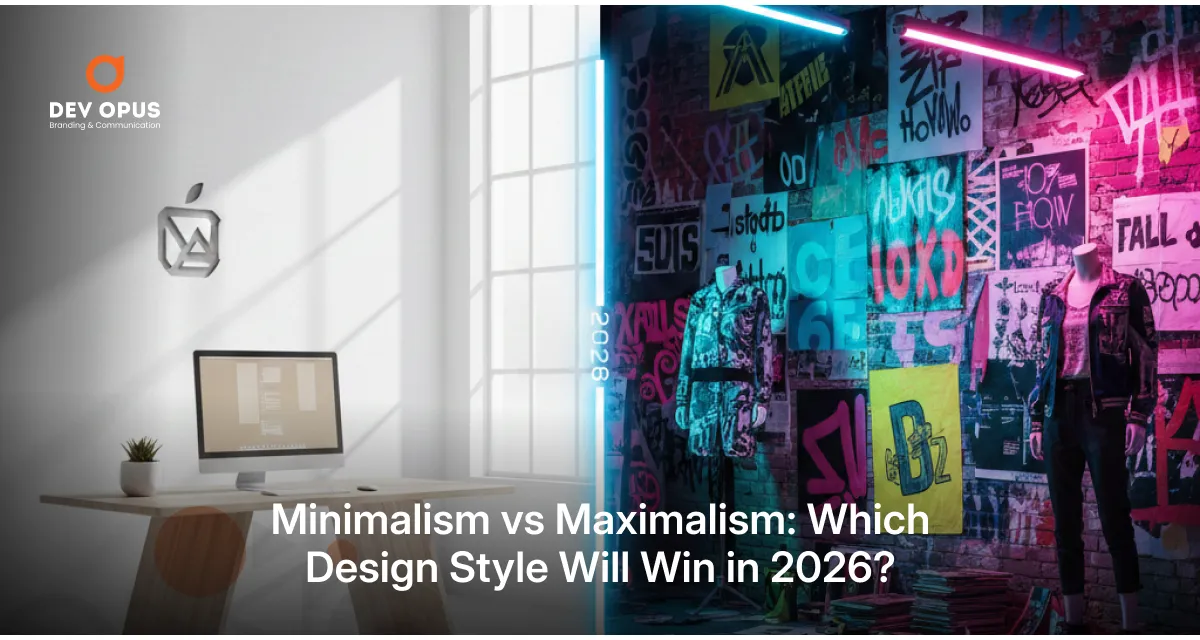
Design trends never really disappear. They evolve, clash, mix and come back stronger. As we step into 2026, one debate continues to dominate the creative world: Minimalism vs Maximalism. One believes in “less is more”, the other in “more is memorable”.
From brand identities to websites, packaging and social media, businesses are constantly asking which style will work better for the future. The truth is, there is no single winner. But understanding where each style fits can help brands make smarter design decisions.
Let’s break it down in a simple, real and practical way.
Whether a brand chooses minimalist design for clarity or maximalist design for a bold visual impact, understanding Minimalism vs Maximalism can help businesses select an approach that aligns with their personality, audience and communication goals.
Table of Contents
1. Understanding minimalism in modern design
Minimalism focuses on clarity, simplicity and purpose. Clean layouts, limited colours, clear typography and plenty of white space define this style.
Minimal design removes distractions so users can focus on what truly matters. In branding, minimalism often communicates professionalism, trust and sophistication.
Think of brands that use simple logos, calm colour palettes and clean websites. Everything feels organised and easy to understand.
Minimalism is not about being boring. It is about being intentional. As part of the Minimalism vs Maximalism discussion, minimalism continues to influence design trends 2026 by offering brands a clean, focused and timeless visual direction.
2. What maximalism really stands for
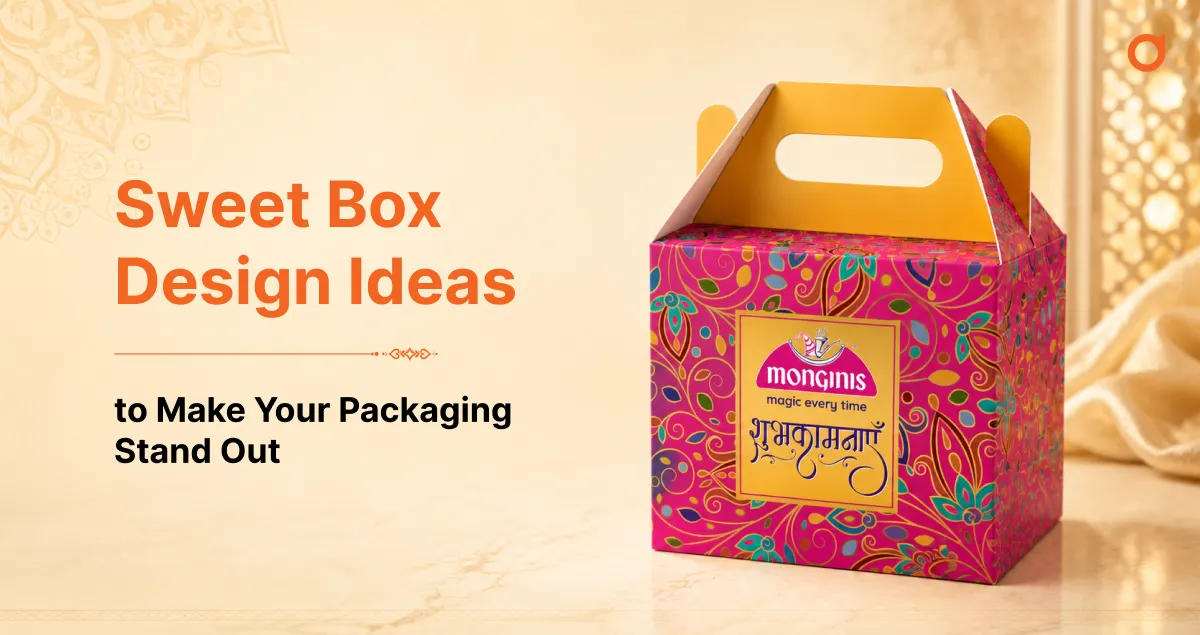
Maximalism is bold, expressive and full of personality. It embraces rich colours, layered visuals, strong typography, patterns and creative freedom.
Where minimalism whispers, maximalism speaks confidently.
In recent years, maximalist design has become popular among brands that want to stand out, especially in creative, fashion, entertainment and youth-focused industries.
It allows storytelling through visuals and creates an emotional impact instantly.
3. Why minimalism became so popular
Minimalism grew rapidly with the rise of digital products and mobile-first design. Simple layouts load faster, look cleaner and work well across devices.
Many global brands adopted minimalism to appear modern and premium. It also helped improve usability and user experience.
For a branding company in Ahmedabad, minimal design often works well for corporate, tech, finance and service-based brands that want clarity and credibility.
Minimalism also supports SEO-friendly layouts and structured communication, which matters more than ever in 2026.
4. Why maximalism is making a strong comeback
After years of seeing similar clean layouts everywhere, audiences are craving personality again. Maximalism brings emotion, uniqueness and cultural depth.
In 2026, brands want to feel human, expressive and bold. Maximalist design allows:
- Strong visual storytelling
- Cultural expression
- Playful layouts
- Emotional engagement
Many new-age brands are choosing maximalism to break uniformity and build instant recall.
For example, startups targeting Gen Z often use bold colours, expressive fonts and layered visuals to feel energetic and relatable. As modern design trends continue to evolve, the choice between minimalist branding vs maximalist branding depends on how a brand wants to express its personality and connect with its audience.
5. Minimalism vs maximalism in branding
When it comes to branding, neither style is “better”. The real question is alignment.
Minimalism works best when:
- Your brand values clarity and trust
- You offer professional or premium services
- You want long-term consistency
- Your audience prefers simplicity
Maximalism works best when:
- Your brand is expressive or creative
- You want to stand out quickly
- You target younger or lifestyle-driven audiences
- Storytelling is central to your identity
Many brands offering branding services Ahmedabad now guide clients toward a balanced approach rather than extremes.
6. Which design style suits your business in 2026?
Instead of following trends blindly, ask these questions:
- Who is my audience?
- What emotions should my brand evoke?
- Where will my brand mostly appear?
- How do I want people to remember me?
A law firm and a fashion startup cannot look the same. A SaaS platform and a café should not communicate similarly.
Design must support business goals, not trends.
7. Can both styles work together?
Yes, and this is where 2026 becomes interesting.
Many modern brands are adopting “intentional maximalism over minimal foundations.” That means clean structure with expressive elements. This balanced approach makes the Minimalism vs Maximalism debate less about choosing one style and more about finding the right mix for a brand’s identity, audience and communication goals.
For example:
- Minimal layout with bold typography
- Simple base colours with expressive accents
- Clean UX with creative illustrations
- Structured design with playful storytelling
This hybrid approach gives the best of both worlds: clarity and character.
Design is no longer about choosing sides. It is about balance.
8. Final thoughts
In 2026, the real winner is not minimalism or maximalism. The winner is relevance.
Design should reflect your brand’s personality, audience and purpose. Trends can guide you, but strategy should lead you.
Whether your brand leans clean and subtle or bold and expressive, what matters most is consistency, clarity and connection.
When design aligns with intent, it always works.
FAQs
No, minimalism is evolving. It is becoming warmer, more human and more intentional rather than disappearing.
Not always. It works best for brands that want sa trong personality and emotional expression.
Yes, if done thoughtfully. It helps smaller brands stand out in crowded markets.
Both can work. Minimalism helps usability, while maximalism helps engagement.
Always choose a strategy first. Trends should support your brand, not define it.

Mahendra Bhatiya
With 15+ years of brand-building experience, Mahendra Bhatiya helps food and FMCG businesses transform good products into trusted, memorable, and market-ready brands. His focus is on building brands that inspire stronger customer confidence, create a better market presence, and deliver long-term business value.