
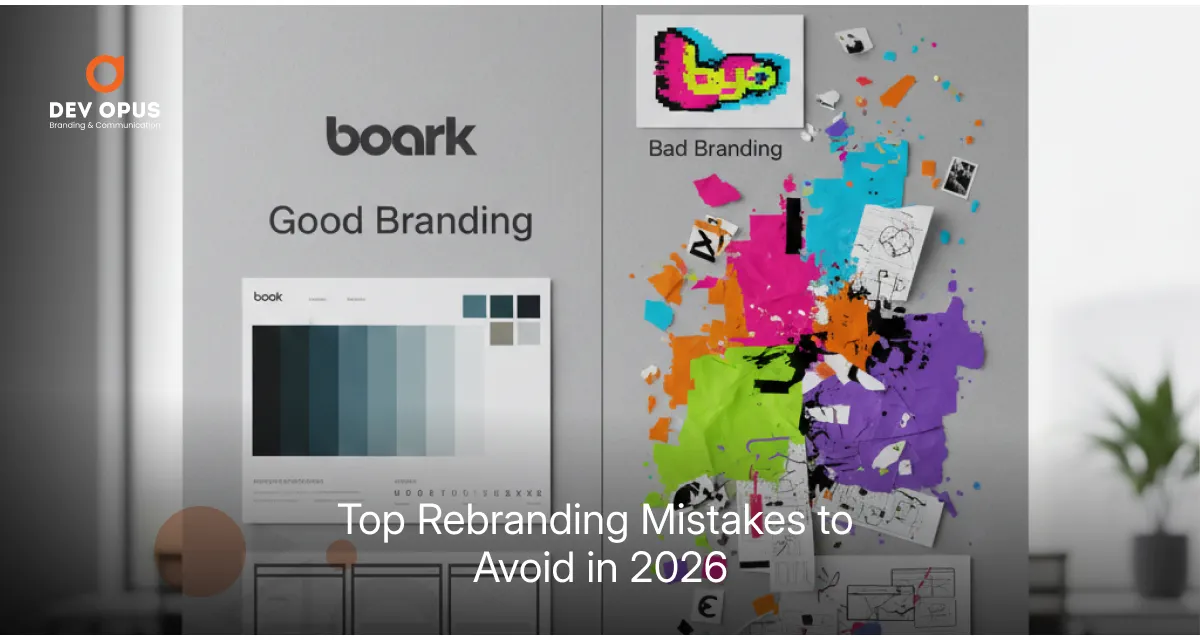
Rebranding sounds exciting. New logo. Fresh colours. Better website. A new beginning.
But in reality, rebranding can either elevate your business or silently damage years of trust if done carelessly. In 2026, customers are smarter, more observant, and emotionally connected to brands. They notice inconsistencies. They sense confusion. And they quickly move on.
Many businesses decide to rebrand when growth slows down or when competitors start looking more modern. But rebranding is not about copying trends or fixing surface level problems. It is about clarity, direction and connection.
Let us break down the most common rebranding mistakes businesses should avoid in 2026, explained in a simple, practical and human way, with examples you can relate to. Understanding the rebranding mistakes to avoid, recognizing common rebranding mistakes, and knowing the mistakes to avoid when rebranding can help businesses protect their brand identity, maintain customer trust, and build a stronger connection with their target audience.
Table of Contents
- Rebranding without a clear reason
- Forgetting the people who already trust you
- Thinking rebranding is just design work
- Chasing trends instead of meaning
- Not involving your internal team
- Inconsistent communication everywhere
- Ignoring SEO and digital impact
- Rushing the entire process
- Skipping testing and feedback
- Not tracking results after launch
- FAQs
1. Rebranding without a clear reason
One of the biggest mistakes brands make is starting rebranding with vague thoughts like “we need something new” or “our competitors look better”.
That is not a strategy.
Before anything else, ask yourself why you want to rebrand. Has your audience changed? Are you offering new services? Are you repositioning your business? Without clarity, even the most beautiful branding will feel empty.
For example, many growing companies work with a branding company in Ahmedabad, thinking design alone will solve their challenges, but clarity always comes before creativity.
2. Forgetting the people who already trust you
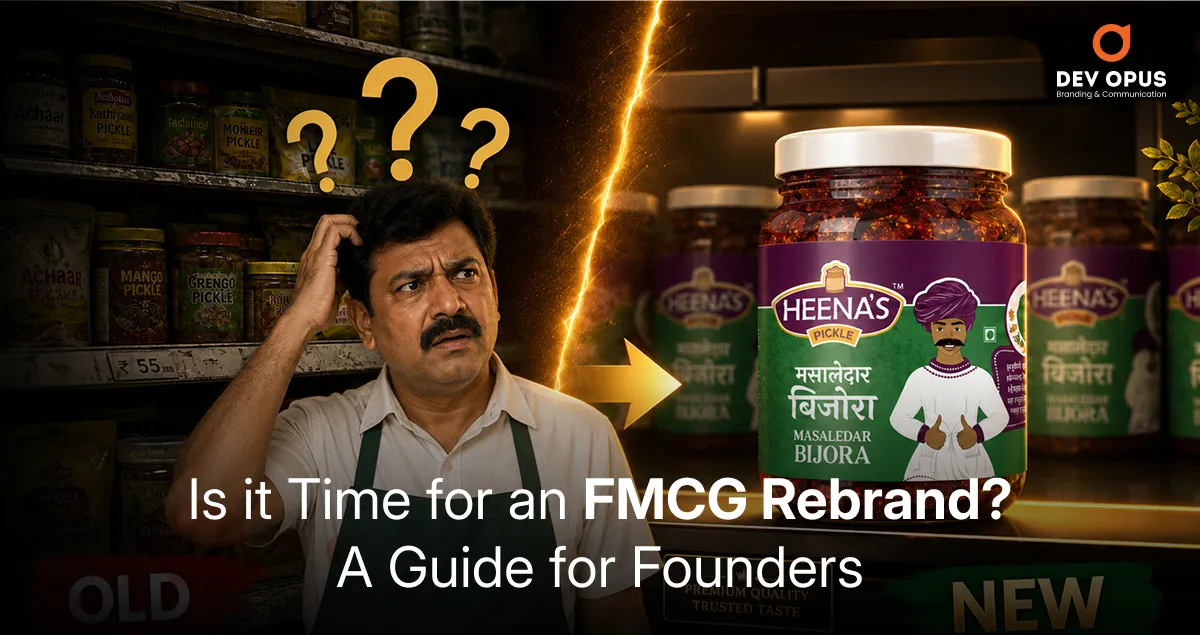
In the race to attract new customers, brands often forget the ones who already believe in them. A sudden, drastic change can confuse loyal customers and make them feel disconnected.
Rebranding should feel like growth, not a personality transplant.
A good example is when a local brand refreshes its identity but keeps familiar colours, tone or messaging style so customers still feel at home. Change should feel natural, not shocking.
3. Thinking rebranding is just design work
This is a very common misconception.
Rebranding is not only about logos, fonts or colours. It is also about:
- Your brand voice
- Your messaging
- Your values
- Your customer experience
If your visuals say “premium” but your communication feels casual or unclear, the brand feels confused.
Strong rebranding always starts with strategy and storytelling, then moves to visuals.
4. Chasing trends instead of meaning
Trends look tempting. Minimal logos, AI visuals, muted colours, bold typography. But trends fade quickly.
Many brands redesigned themselves to look trendy and within two years felt outdated again. That leads to unnecessary rebranding cycles.
Instead of asking “what’s trending?”, ask “what suits our identity and audience?”. A brand should feel relevant, not fashionable for a moment.

5. Not involving your internal team
Your team represents your brand every single day. If they do not understand the new identity, tone or direction, the rebrand will never feel consistent.
Internal alignment matters more than most people think.
Before launching publicly, ensure your sales, support and marketing teams understand how to communicate the brand. When employees believe in the brand, customers automatically do too.
6. Inconsistent communication everywhere
One of the fastest ways to weaken a rebrand is inconsistency.
Your website feels premium, but social media sounds casual. Your emails look old, but your logo is modern. This mismatch creates confusion.
Working with the best graphic design agency in Ahmedabad can help ensure that visuals, tone and layouts stay aligned across all platforms, creating a strong and memorable brand presence.
7. Ignoring SEO and digital impact
Rebranding in 2026 is incomplete without digital planning. Many brands redesign websites without thinking about search visibility.
Changing URLs, content structure or messaging without SEO planning can affect rankings and traffic. That means losing potential customers overnight. A smart rebrand protects existing visibility while improving content clarity and discoverability. Avoiding rebranding mistakes to avoid is essential when managing brand rebranding mistakes, while a well-planned brand identity redesign can strengthen recognition, maintain consistency, and support long-term digital growth.
8. Rushing the entire process
Rebranding is not a quick fix. When rushed, decisions are emotional, research is skipped, and execution feels half-baked.
Good rebranding needs time for:
- Understanding the brand
- Researching the audience
- Building strategy
- Creating concepts
- Testing and refining
Taking time saves money, effort and regret later.
9. Skipping testing and feedback
Many brands launch their rebrand without any testing. This is risky.
Sharing concepts with a small group of trusted clients or internal members can reveal clarity issues, confusion or misunderstandings early. Feedback helps polish the final output before it goes public.
Even small testing steps can make a big difference.
10. Not tracking results after launch
Rebranding does not end on launch day.
You should track engagement, enquiries, conversions and audience response. This helps you understand what is working and what needs improvement.
A brand should evolve based on real feedback, not assumptions.
FAQs
Not always. Rebranding is useful when your business has evolved, feels outdated, or is no longer aligned with your goals.
Yes. When done thoughtfully, rebranding helps small businesses appear more credible, focused and professional.
Depending on the scope, it may take a few weeks to a few months. Rushing usually leads to mistakes.
No. Sometimes refining messaging, visuals, or positioning works better than changing the logo.
Clear purpose, consistency, audience understanding and long-term thinking make rebranding successful.

Mahendra Bhatiya
With 15+ years of brand-building experience, Mahendra Bhatiya helps food and FMCG businesses transform good products into trusted, memorable, and market-ready brands. His focus is on building brands that inspire stronger customer confidence, create a better market presence, and deliver long-term business value.